
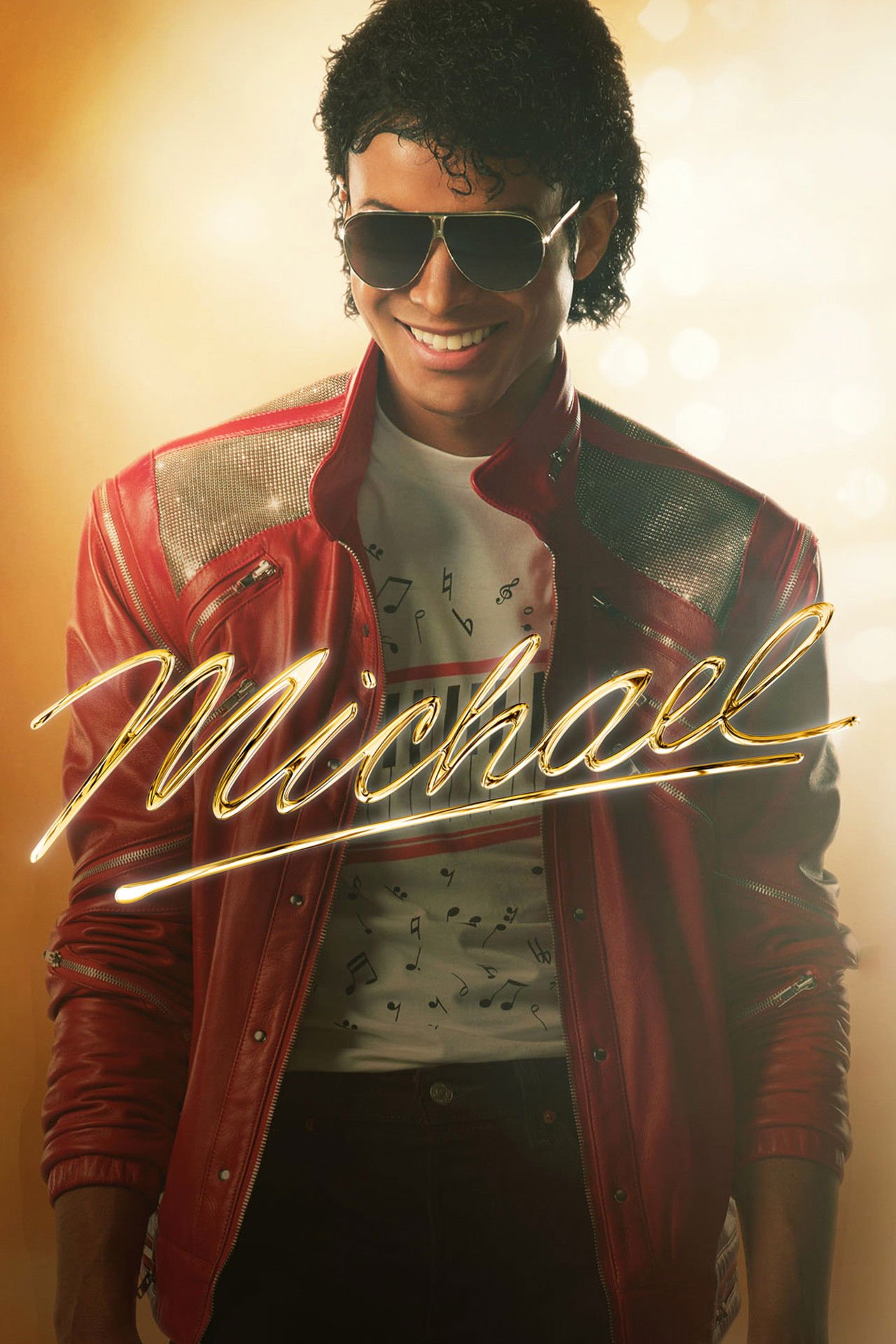
Series Info
| Title | Michael |
| Type | Movie |
| Release Date | 2026-04-22 |
| Genre | Music, Drama, History |
| Runtime | 127 min |
| Studio / Network | Lionsgate |
| Director / Creator | Director: Antoine Fuqua |
| Main Cast | Jaafar Jackson, Colman Domingo, Nia Long, Kendrick Sampson |
Quick Verdict
Yes—Michael is worth watching for its electric performances and raw emotional core, even if it stumbles with pacing. Fans and skeptics alike will find something unforgettable here.
Overview Of Michael
Every once in a while, a film barrels into the zeitgeist and makes it impossible to look away. That’s exactly what happened when “Michael” hit theaters in April 2026. Directed by the ever-bold Antoine Fuqua, the film dives into the legend and labyrinth that is Michael Jackson—arguably the most provocative musical icon of our time. With Jaafar Jackson (Michael’s real-life nephew, in case you missed the casting buzz) in the titular role, and Colman Domingo, Nia Long, and Kendrick Sampson rounding out a seriously loaded cast, expectations were sky-high. As I write this, Michael is currently sitting at a 0/10 rating on TMDB and trending across global charts—proof nobody can resist dissecting the King of Pop’s story.
My Take on Michael
Walking out of my screening, I had goosebumps—some good, some uneasy. “Michael” is not content to glide on nostalgia or sugarcoat controversy. The opening sequence alone, with Jaafar channeling that signature Jackson stage presence, made my row collectively lean forward. By the halfway mark, the film swerves sharply from glitzy concert halls to the quieter, lonelier corners of Jackson’s life. There’s a moment backstage—no spoilers—where Jaafar’s eyes say more than a dozen monologues could, and it floored me. That blend of spectacle and vulnerability is something I didn’t expect Fuqua to nail so well.
I’ve seen plenty of biopics play it safe; this isn’t one of them. There are sequences that made my heart pound from sheer awe, and others that left me squirming in my seat. The performances, especially in the “Thriller” era recreation, are thrilling and, honestly, a little eerie in their accuracy. It’s not always comfortable. But that’s exactly why I couldn’t look away.
What Michael Gets Right (And Wrong)
What clicked for me right away: Michael isn’t just a highlight reel of greatest hits. Fuqua’s approach refuses to skip past the grit and mess. He gives equal weight to Jackson’s off-stage anxieties as to his on-stage genius. Jaafar Jackson’s performance is magnetic—especially when he’s not singing. There’s a rawness to his portrayal that feels unfiltered, even during the most choreographed showpieces. Colman Domingo’s presence as the wise, world-weary elder in Michael’s orbit adds a necessary gravitas, never veering into melodrama.
But—and this is a big one—the pacing gets choppy fast. The film sprints through some pivotal moments, barely giving you time to process. One scene will linger in intense silence, only for the next sequence to smash-cut into a high-energy music montage. This whiplash makes some of the emotional beats hit less hard than they deserve. I also found the structure in the second half a bit muddled, especially as it tries to balance Jackson’s public triumphs with his personal turmoil. If you’re hoping for a crystal-clear timeline or a narrative that gently guides you, prepare for a wild, sometimes confusing ride.
Cinematography & Visual Style
Fuqua brings serious muscle to the camera work. Early scenes pulse with the slick, kinetic vibe you’d expect, especially when Michael is on stage. There’s a concert sequence (think: full stadium, lights blasting, crowd dissolving into a blur) that gave me chills. But it’s the quieter shots—those dim, grainy close-ups in rehearsal rooms—that say the most. Cinematographer Mauro Fiore doesn’t just copy famous concert angles; he interprets them, giving every major era a distinct look. Occasionally, the quick pans and flashbacks feel over-stylized, but it’s never boring visually.
Acting Performances
Jaafar Jackson is the breakout nobody saw coming. His mannerisms are uncanny, but what really landed for me was his ability to make Michael feel both mythic and heartbreakingly human. There’s one rehearsal scene where he’s just alone, practicing a single move—somehow, that’s the moment I believed every ounce of hype around this casting. Nia Long (as Katherine, Michael’s mother) brings controlled emotion, never drowning in sentimentality, while Colman Domingo infuses even minor scenes with hard-earned wisdom. The only weak spot: a few supporting roles feel like afterthoughts, almost caricatured next to the leads’ depth.
Pacing & Story Structure
This is where Michael hits some turbulence. The first act is brisk and exhilarating, jumping from the Jackson Five’s early days right into solo stardom. Partway in, though, it starts juggling too much. When the film transitions from musical fireworks to psychological unraveling, it sometimes loses its grip. Key relationships and shifts (especially later in Jackson’s career) are rushed—I found myself wishing Fuqua had let certain moments breathe. Flashbacks also pop up unpredictably, which can throw off the flow, especially for newcomers to Jackson’s story.
Soundtrack & Atmosphere
It’s impossible to overstate how electric the music sequences are. Every time a familiar bass line drops, the theater’s mood changes. But what surprised me: the film isn’t a non-stop jukebox. It uses silence and experimental mixes (think: distorted snippets of “Billie Jean” echoing down a hallway) to great effect. The original score by Hans Zimmer feels both epic and intimate, tying together the highs and lows. Occasionally, I wished the film trusted the music to carry more scenes instead of cutting away too quickly.
Why Michael Stands Out From Similar Movies
You can’t talk about “Michael” without looking at its place in the music biopic universe. Where something like Bohemian Rhapsody turns Queen’s legacy into a glossy underdog anthem, “Michael” is jagged, less interested in uplifting and more obsessed with complexity. Its closest cousin in tone might be Elvis, especially in those fever dream sequences, but Fuqua’s film is more restrained, letting sorrow and joy mingle uncomfortably. Unlike Rocketman, which plays with musical fantasy, “Michael” keeps its feet on the ground. What sets it apart? The willingness to show its subject’s contradictions—and never apologize for them. It’s less about rewriting legacy, more about wrestling with it.
Is Michael a Good Starting Point? (Viewing Guide)
New to the world of Michael Jackson? You don’t need a background in pop history to jump right in here. The film is self-contained and covers enough backstory to make sense of the bigger moments. That said, the first fifteen minutes are pure adrenaline—if you’re not hooked by the time the first big Jackson Five performance hits, this movie probably isn’t for you. For fans, the deep cuts and visual callbacks will be a treat. For everyone else, give it until the midway mark: the emotional gear shift is where it really starts to separate itself from “just another music movie.”
Is Michael Worth Watching?
Yes—Michael is a must-watch if you crave a music biopic that refuses to play it safe.
The film blends spectacle with stunning vulnerability, pulling no punches as it digs into the legend’s genius and pain. Some rough edges in pacing, but the highs stick with you.
Who Should Watch (And Who Should Skip)
- Watch if you love bold, character-driven music dramas or want to see Jaafar Jackson’s uncanny transformation.
- Watch if you’re curious about the man behind the myth—warts and all.
- Skip if you want pure nostalgia or a sanitized take on Jackson’s career.
- Skip if you hate abrupt timeline jumps or want a neat, linear story.
Final Verdict
Michael is a biopic as polarizing as its subject—brilliant, flawed, impossible to dismiss. Fuqua and Jaafar Jackson conjure both the magic and the darkness that defined Michael Jackson, offering a portrait that feels electric and uncomfortable in equal measure. You’ll talk about it for days, maybe even argue about it. But you won’t forget it. “Michael” doesn’t just want your applause; it wants your attention, your empathy, and—just for a moment—your willingness to witness a star’s humanity. This is the music biopic others will be measured against for years.
Frequently Asked Questions
Is Michael finished?
Yes, Michael was released on April 22, 2026, and is a complete, standalone film.
Is Michael worth watching in 2026?
Absolutely. Its powerful performances and bold direction make it a 2026 essential, whether you’re a fan or a newcomer.
How long is Michael and who stars in it?
Michael runs for 127 minutes and features Jaafar Jackson, Colman Domingo, Nia Long, and Kendrick Sampson.
Is Michael better than Bohemian Rhapsody?
Michael takes a gutsier, rawer approach to its subject, offering more emotional honesty, but your preference may depend on how much you love the music drama genre.
Ready to watch Michael?
Check out our complete streaming guide to find out where you can watch it right now.