
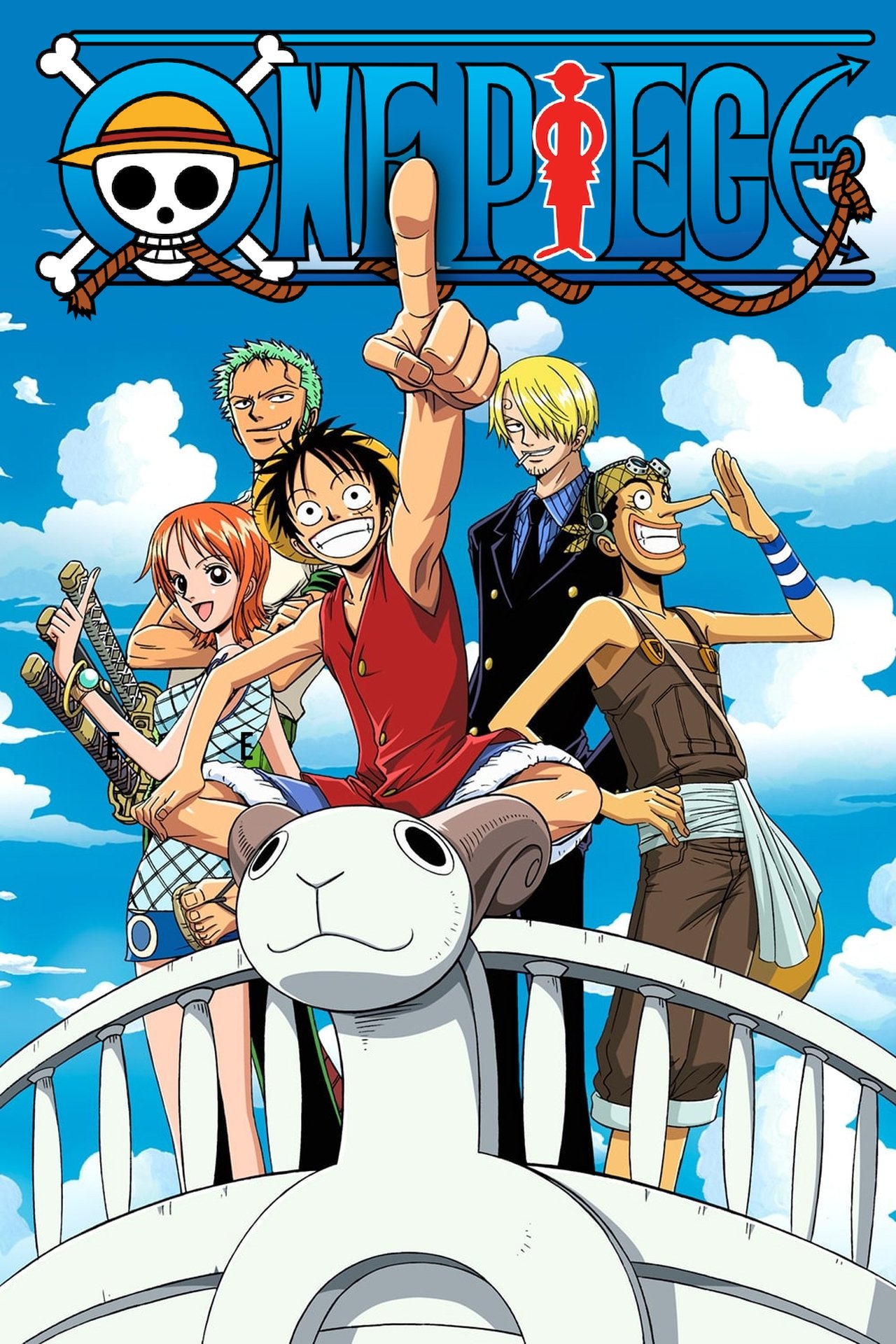
Series Info
| Title | One Piece |
| Type | TV Show |
| Release Date | 1999-10-20 |
| Genre | Action & Adventure, Comedy, Animation |
| Runtime | 23 Seasons, 1160 Episodes (~24 min/ep) |
| Studio / Network | Fuji TV |
| Main Cast | Mayumi Tanaka, Kazuya Nakai, Akemi Okamura, Kappei Yamaguchi |
| TMDB Rating | 8.7 / 10 |
| Where to Watch | Netflix, Hulu, Crunchyroll |
Quick Verdict
Yes—One Piece is absolutely worth watching for anyone craving epic adventure, wild comedy, and real emotional stakes. Even with its flaws, it’s a once-in-a-generation show that still feels fresh after 1,000+ episodes.
Overview Of One Piece
Can you imagine a TV show so massive that, even after 25 years and more than 1,100 episodes, it’s still breaking into the trending charts? That’s One Piece. Styled as a wild, heartfelt, and sometimes hilariously bizarre adventure, this series has outlasted presidents, entire fashion trends, and probably some viewers’ high school crushes.
Launched in 1999 by Fuji TV, One Piece feels like the original pop-culture juggernaut. At its core: the plucky, impossible-to-discourage Monkey D. Luffy and his crew, all determined to claim the legendary “One Piece” treasure and become pirate royalty. Mayumi Tanaka’s voice brings Luffy to life with a kind of chaotic optimism, while Kazuya Nakai (Zoro), Akemi Okamura (Nami), and Kappei Yamaguchi (Usopp) round out a crew that’s as dysfunctional as they are lovable. And yes—this isn’t just nostalgia talking. It’s currently sitting at an 8.7/10 rating and trending across global charts, which is no small feat for a show closing in on 1,200 episodes.
My Take on One Piece
I’ll be honest: I used to eye One Piece with a little skepticism. How could something this long possibly stay interesting? But by the end of episode 3, I was hooked—no joke, the setup, the world, the outlandish powers, and the sheer weirdness of the East Blue arc reeled me in fast. I remember one scene specifically: Luffy, after a disaster of a first attempt at being a “pirate captain,” just smiles that ridiculous grin and throws himself even harder at his dream. That moment—goofy, a little naïve, but deeply sincere—says everything you need to know.
The animation style is a bit retro (it started in the late ’90s, after all), but there’s a warmth to it. I found myself laughing out loud at some of Usopp’s lies (the man can tell a story), and Sanji’s over-the-top romantic gestures still make me cringe and smile at the same time. Watching the crew slowly come together, each with a backstory full of heartbreak and hope, gave the early arcs a surprising emotional punch. And the way the show isn’t afraid to get downright silly—rubber powers, animal pirates, a villain who literally wears clown makeup—keeps things fresh, even 1,000 episodes deep.
What One Piece Gets Right (And Wrong)
Where One Piece shines isn’t just in its sheer scope, but in its ability to make you care. The found-family dynamic aboard the Going Merry (and later the Thousand Sunny) works because these characters are lovable and flawed. Luffy’s optimism is infectious, Zoro’s stoicism cracks at just the right moments, and Nami’s arc will absolutely gut you. The humor lands more often than not—especially in the early arcs. Even after dozens of episodes in a row, I kept finding new reasons to root for the crew.
But let’s not sugarcoat it—One Piece stumbles, too. The pacing can get rough, especially in the middle seasons. There were arcs that felt so slow I was tempted to skip ahead (and I’m not above admitting I looked up the “filler arc list”). Sometimes, a single fight stretches across what feels like three seasons. If you’re used to the tight plotting of Attack on Titan, prepare for the long haul here. And while most of the power systems feel creative, there are moments where the rules get a little too loose for their own good. I found myself scratching my head at a few “new abilities” that seemed to pop up just in time for a convenient escape.
Cinematography & Visual Style
One Piece has this raw, kinetic energy to its animation. The camera work isn’t flashy, but the way action scenes are framed—like that chaotic brawl in the Arlong Park arc, or the wide, sweeping shots during sea voyages—gives the series a grand, almost cinematic quality. The color palette is bright, bold, and sometimes jarringly weird (in a good way). The show isn’t afraid to go full Saturday morning cartoon with its visuals, but there are also moments—like that quiet sunset before a big fight—where the atmosphere becomes genuinely beautiful.
Acting Performances
Mayumi Tanaka defines Luffy. Her voice is instantly recognizable—high-energy, endearing, and just the right amount of bizarre. Kazuya Nakai imbues Zoro with a world-weariness that grounds the crew, while Akemi Okamura’s Nami shifts seamlessly from tough-as-nails to heartbreakingly vulnerable. The chemistry in the main cast is so strong, it’s wild to think some of these actors have played these roles for more than two decades. Even new characters get memorable, nuanced performances (Buggy’s menacing clownishness is a particular standout).
Pacing & Story Structure
This is where things get messy. The early episodes move at a brisk, almost addictive pace, with each new island bringing fresh challenges. But as the seasons roll on, the pacing slows. There are flashbacks that drag, fights that seem to last forever, and side-quests that don’t always feel essential. I found the Water 7 arc genuinely gripping, but then the next arc would meander for episodes on end. If you’re a first-timer, be ready for some start-and-stop momentum.
Soundtrack & Atmosphere
The music in One Piece is oddly infectious. The original opening theme (“We Are!”) is basically an anthem for anime fans, and the emotional tracks hit right when they’re supposed to. Battle music amps up the stakes, and there’s a recurring sense of whimsy that keeps the show from feeling too heavy. I caught myself humming along more than once. The sound design—from the crack of Luffy’s punches to the wild animal noises—really grounds you in this wacky, ocean-splashed universe.
Why One Piece Stands Out From Similar TV Shows
Compared to other giants like Naruto or Bleach, One Piece is built on pure, unfiltered optimism. Where some shows lean hard into angst or grimdark themes, One Piece balances real heartbreak with a kind of slapstick, infectious joy. The world-building blows most other anime out of the water; Oda’s bizarre islands, whacked-out villains, and inventive sea monsters feel both cartoonish and mythic.
The main difference? Comedy. One Piece isn’t afraid to be ridiculous. You’ll get an emotional gut-punch one minute, then a joke about Luffy’s bottomless stomach the next. Some arcs hit Shakespearean tragedy (see the backstories), while others are pure Saturday morning fun. And unlike many shonen anime, the characters genuinely age and grow—something even Dragon Ball tends to sidestep.
Is One Piece a Good Starting Point? (Viewing Guide)
One Piece is a beast, but here’s the good news: you don’t need to watch anything else first. It’s all here, right from episode 1. My advice? Give it three or four episodes—by then, you’ll know if Luffy’s rubber-limbed antics and the madcap pirate world are for you.
Fair warning: the animation style and pacing start slow, especially if you’re used to flashier modern titles. But once the main crew assembles and the real adventure sets sail, it’s easy to lose track of time (and how many episodes you’ve binged in one sitting). Don’t be afraid to skip the filler—there’s a guide for that, and it makes the marathon more fun.
Is One Piece Worth Watching?
Yes—One Piece is absolutely worth watching if you crave grand adventure, wild humor, and heartfelt storytelling. Even with a few sluggish arcs, the magic, heart, and audacity of this show are impossible to replicate.
If you love world-building, offbeat characters, and a plot that can shift from comedy to crushing drama in seconds, this one’s for you. Don’t let the episode count scare you off. I started as a skeptic and ended up invested for the long haul.
Who Should Watch (And Who Should Skip)
- Great for: Fans of epic journeys, found-family vibes, and quirky humor
- Must-watch if: You want character-driven stories with real growth and aren’t scared of a massive commitment
- Skip if: You hate slow-paced arcs, can’t stand animation from the ’90s, or want a show you can finish in a week
- Best for: Anyone who grew up loving Saturday morning cartoons, but wants more depth and emotion
- Not ideal for: Viewers who need modern visuals and super-tight plotting in every episode
Final Verdict
One Piece is wild, unfiltered, and impossibly vast. It’s the rare show that evolves with its audience—hitting silly, heartfelt, and sometimes even profound notes in the same breath. Sure, it drags in places. But if you give it the time, One Piece offers an emotional payoff and a sense of community I’ve never found anywhere else.
If you’re willing to ride the waves, this pirate adventure becomes more than a show. It’s a piece of your life. And that’s real magic.
Frequently Asked Questions
Is One Piece finished?
No, One Piece is still ongoing with new episodes releasing regularly. The story is approaching its final saga, but there’s more to come.
Is One Piece worth watching in 2026?
Absolutely. The show’s core themes and emotional arcs remain timeless, and new storylines keep it relevant every year.
How many episodes/seasons does One Piece have?
One Piece has 23 seasons and over 1,160 episodes as of 2024, each running about 24 minutes.
Is One Piece better than Naruto?
Depends on your taste. One Piece’s world-building and humor are top tier, but Naruto has a faster pace and a different emotional flavor.
Ready to watch One Piece?
Check out our complete streaming guide to find out where you can watch it right now.