Hideo Sekigawa Movies & TV Shows list — Where to Watch | Watchlist Wizard
Looking for Hideo Sekigawa movies? Discover the full Hideo Sekigawa filmography, featuring their latest films and TV shows with real-time streaming info...
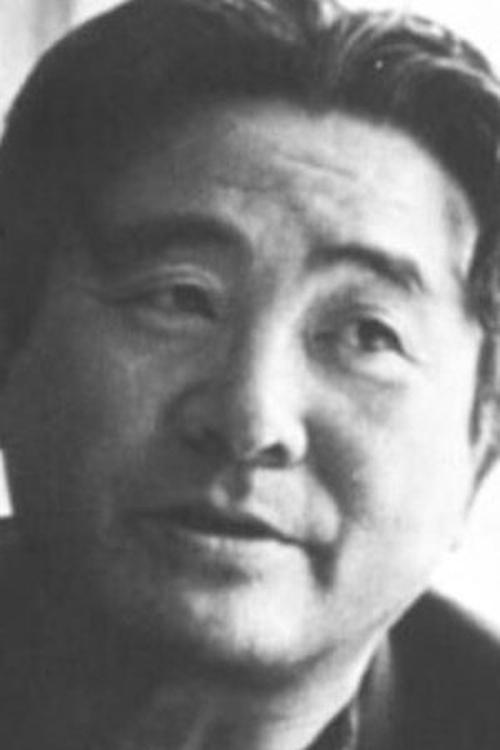
Hideo Sekigawa (関 川 秀雄, Sekigawa Hideo, 1 December 1908 – 16 December 1977) was a Japanese film director known mainly for films with a left-wing agenda made in the late 1940s and early 1950s. His most noted works are the anti-war films Listen to the Voices of the Sea (1950) and Hiroshima (1953).
Hideo Sekigawa joined the documentary branch of P.C.L. film studios (later Toho) in the 1930s where he worked on militarist propaganda films despite his Communist leanings. After the Second World War, Sekigawa debuted as co-director of the pro-unionist Those Who Make Tomorrow (1946) which was intended to illustrate the purpose of the workers' union at the Toho film studios. Having difficulties finding work due to his political leanings, he directed the anti-war film Listen to the Voices of the Sea for Mitsuo Makino's Toyoko Eiga company (later Toei Company). For the Japan Teachers Union, which had been unhappy with Kaneto Shindo's Children of Hiroshima for not being political enough, he directed Hiroshima (1953) in a semi-documentary style, parts of which were later used (uncredited) by Alain Resnais for his drama Hiroshima mon amour. In later years, Sekigawa's output included both audience-orientated genre works and documentaries. His last film was the 1969 Chōkōsō no Akebono.
Personal Details
Born: 1908-12-01 in Sado, Niigata Prefecture, Japan
Known For: Directing
Hideo Sekigawa Movies & TV Shows list — Where to Watch | Watchlist Wizard
Hideo Sekigawa (関 川 秀雄, Sekigawa Hideo, 1 December 1908 – 16 December 1977) was a Japanese film director known mainly for films with a left-wing agenda made in the late 1940s and early 1950s. His most noted works are the anti-war films Listen to the Voices of the Sea (1950) and Hiroshima (1953).
Hideo Sekigawa joined the documentary branch of P.C.L. film studios (later Toho) in the 1930s where he worked on militarist propaganda films despite his Communist leanings. After the Second World War, Sekigawa debuted as co-director of the pro-unionist Those Who Make Tomorrow (1946) which was intended to illustrate the purpose of the workers' union at the Toho film studios. Having difficulties finding work due to his political leanings, he directed the anti-war film Listen to the Voices of the Sea for Mitsuo Makino's Toyoko Eiga company (later Toei Company). For the Japan Teachers Union, which had been unhappy with Kaneto Shindo's Children of Hiroshima for not being political enough, he directed Hiroshima (1953) in a semi-documentary style, parts of which were later used (uncredited) by Alain Resnais for his drama Hiroshima mon amour. In later years, Sekigawa's output included both audience-orientated genre works and documentaries. His last film was the 1969 Chōkōsō no Akebono.
Personal Details
Born: 1908-12-01 in Sado, Niigata Prefecture, Japan
Known For: Directing
⟳
Loading...
Your Ultimate Entertainment Companion
Discover, Track, & Stream Movies & TV Shows
Search across 50+ streaming services, curated collections, and smart AI recommendations.
Find streaming availability for Netflix, Hulu, HBO Max, and 50+ services. Updated daily.
🔒 No Sign-up Required✅ 100% Free Forever🔥 500k+ Titles📱 Mobile Friendly
🤖
Smart Recommendations That Actually Match Your Vibe
Stop relying on generic "Trending Now" lists. Our advanced AI algorithm analyzes plot points,
tone, and character arcs to find hidden gems that match your specific taste profile.
📺
Never Waste Time Searching 10 Apps
We track 50+ streaming services including Netflix, Amazon Prime, Hulu, and Disney+. Instantly
see where to watch any movie or TV show in your region.
🛡️
Zero Tracking. Zero Ads. Zero BS.
No account required to browse. We don't track your personal viewing history or sell your data.
Enjoy a safe, private exploration of cinema.