Blade Movie Series: How Vampire Transformation Works Explained
Curious about what really happens when someone gets bitten in the Blade movies? The franchise didn’t just reinvent vampires—it rewrote the rules of how you become one. Dive in for a sharp, no-nonsense breakdown of Blade’s transformation process (and why it hits different than Twilight or Buffy).
Bonus Picks
30 Days of Night (2007) — For a terrifying, animalistic spin on vampire infection with rules as brutal as Blade’s.
True Blood (2008) — Southern gothic meets viral vampirism—True Blood serves up bite mechanics with steamy drama.
Interview With the Vampire (1994) — Romantic but rule-driven, this classic explores the rituals of turning with lush, tragic detail.
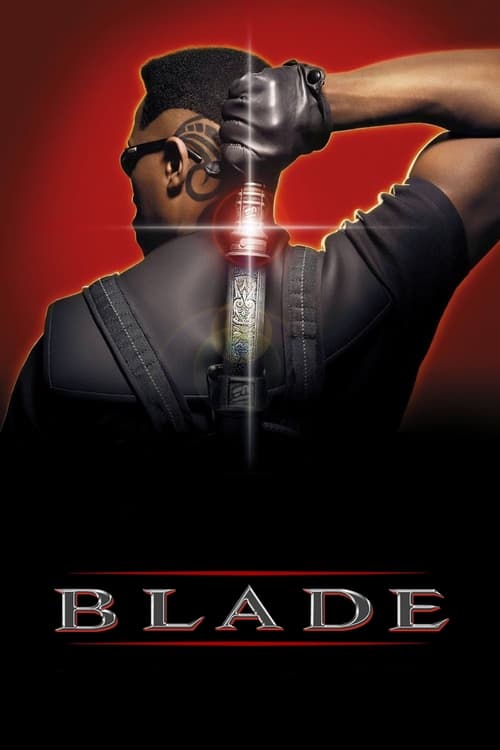
Blade ⭐ 7.0/10
"Blade sets the gold standard for cinematic vampirism, mixing gothic lore with gritty action and real stakes (pun intended). The movie's biteu2013turnu2013hunt process is both menacing and clinical: a vampire's bite delivers a transformative virus, and if the victim isn't killed or treated, they awaken with a bloodthirst that makes vampirehood feel like a cursed disease. This isn't romanticu2014it's downright chilling."
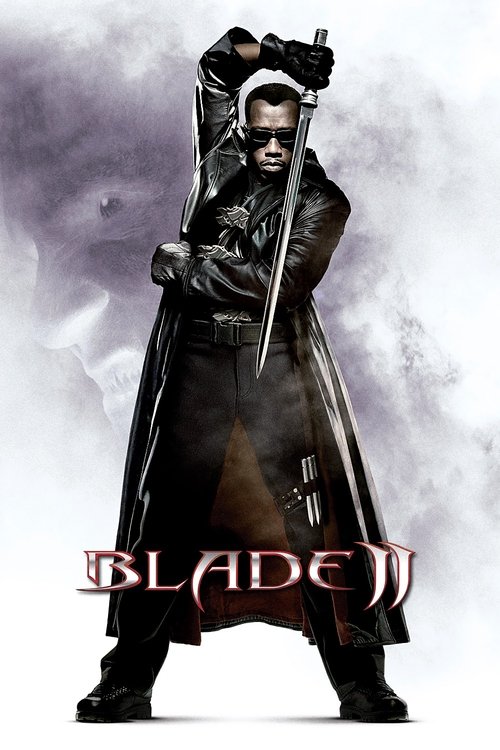
Blade II ⭐ 6.5/10
"Guillermo del Toro cranks up the body horror in Blade II, introducing genetic mutations and hybrid threats that expand on the established rules. Here, vampirism is more than just a biteu2014there are terrifying new strains (like the Reapers) with their own infection rules. No glitter, just a brutal dive into the biology and brutality of vampire transformation."
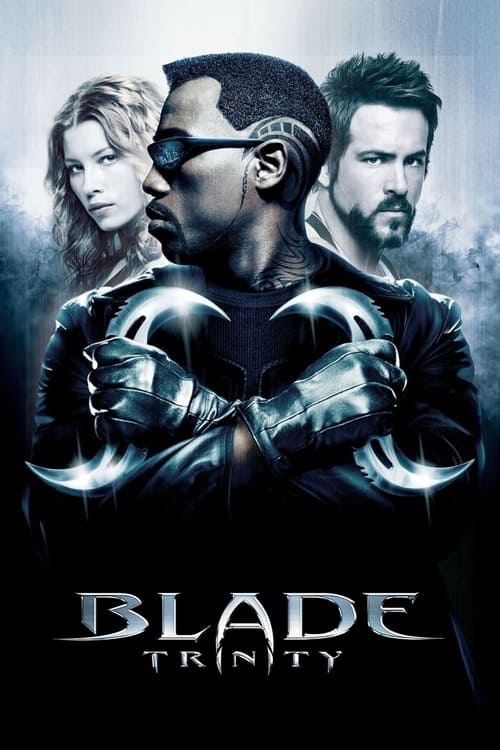
Blade: Trinity ⭐ 5.9/10
"Blade: Trinity doubles down on the idea of vampirism as a viral condition, showing the lengths vampires go to manipulate genetics and avoid cures. The movie amplifies the 'infection' metaphor, contrasting classic vampire rules with modern science fiction twistsu2014way more clinical (and way less dreamy) than your usual undead fare."
Unlock Your Professional Movie Dashboard
Stop losing track of what you've seen. Join 10,000+ cinephiles using our AI-powered tools to build the ultimate taste profile.

Dracula 2000 ⭐ 4.8/10
"Dracula 2000 channels a similar science-meets-myth vibe, but makes vampirism feel almost seductive. Unlike Bladeu2019s harsh viral rules, here the transformation is tied to bloodline and destiny, making for a less clinical, more mystical approachu2014but an intriguing contrast for fans of Blade's gritty realism."
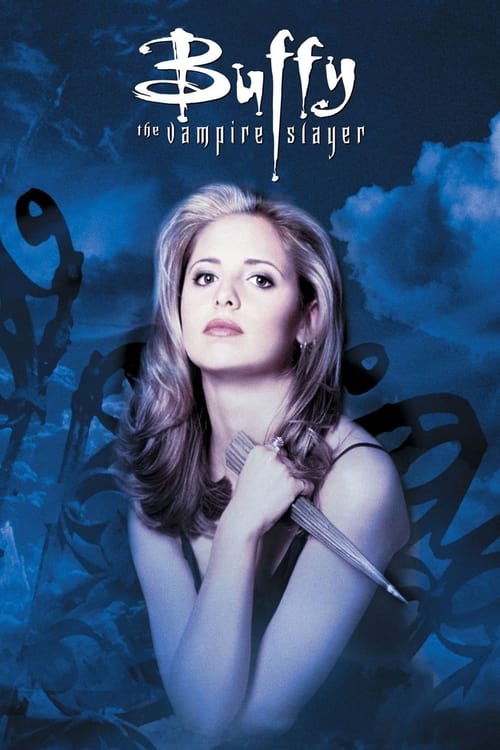
Buffy the Vampire Slayer ⭐ 8.2/10
"Buffy takes a classic routeu2014the bite and exchange of blood, but overlays a metaphorical spin about loss of self. Unlike Blade, Buffyu2019s transformations are often emotional or tragic, not just viral; the 'rules' are mystical, but they serve the character drama as much as the worldbuilding. Perfect for comparing classic and modern takes."

Underworld ⭐ 6.8/10
"Underworld blends action and vampire mythology, but its transformation process is distinctly geneticu2014echoing Blade's science-driven approach. The movie treats vampirism as an elite club, passed through bloodlines and viruses, drawing clear parallels to Blade's rulebooku2014with a dash of gothic operatics."
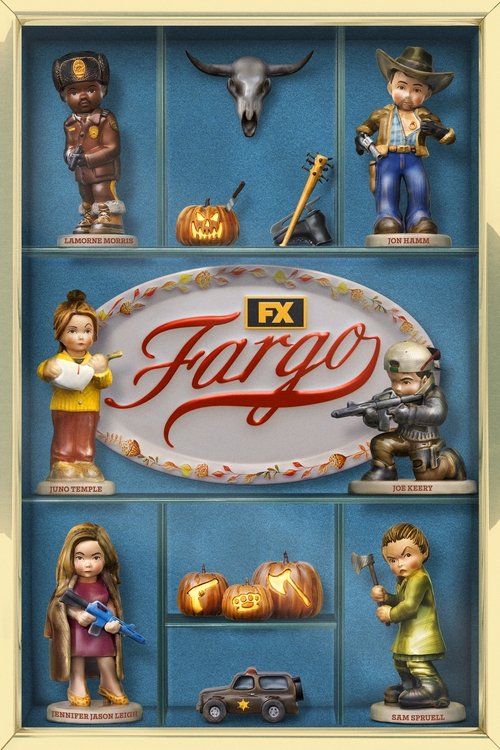
The Strain ⭐ 7.5/10
"If you want pure horror science, The Strain is monstrous. Its vampires are viral parasites, borrowing Blade's infection logic but dialed up to grotesque extremes. It's body horror with rules, showing how a 'virus' can mutate both bodies and societiesu2014making Blade's approach look tame by comparison."

Let the Right One In ⭐ 7.9/10
"Let the Right One In is quiet, but its take on vampirism is hauntingly realistic: you change by being bitten, but the focus is on the isolation, hunger, and loneliness that follow. It's a poetic counterpoint to Blade's clinical, action-movie virusu2014here, the transformation feels personal and tragic."

Twilight ⭐ 6.3/10
"Twilightu2019s transformation is all about the bite, but with a romanticized, almost alluring edgeu2014no viral horror here. It's fascinating to see how the franchise reimagines vampire rules to fit a more sanitized, mythic narrativeu2014making it the polar opposite of Bladeu2019s visceral world."

Daybreakers ⭐ 6.4/10
"Daybreakers imagines a world where vampirism is a pandemicu2014corporate and clinical. Its transformation mechanics echo Bladeu2019s virus-heavy lore, but here the infection has led to a dystopian society, with social and ethical consequences Blade only hints at. It's a must-see for anyone obsessed with the 'science' of the supernatural."
About This List
This curated collection — Blade Movie Series: How Vampire Transformation Works Explained — was hand-picked to help you cut through the noise and discover content worth your time. The list features 10 titles including Blade, Blade II, Blade: Trinity, Dracula 2000 and Buffy the Vampire Slayer and 5 more.
Each entry was evaluated on critical reception, audience scores, and long-term re-watch value — not just box-office numbers or release-date hype. The goal is a list you can return to month after month and still find something you haven't seen yet.
📚 More Ranked Lists to Explore
10 Feel-Good Movies Like The Secret Life of Walter Mitty (2026 Guide)
10 Items
10 Best Movies With Shocking Plot Twists Like Gone Girl (2026)
10 Items
10 Beloved 90s Comedies That Are Actually Unwatchable Now
15 Items
Best TV Shows With Plot Twists (2026) | Watchlist Wizard
10 Items

10 Best TV Shows With Destructive Queer Relationships (2026)
10 Items

10 Movies That Feel Like a Warm Hug After a Brutal Week
5 Items